Booking choice: The tapas tasting tour, 3.5 hours. Book this Tour details
Málaga's food sits between two landscapes. The sea gives sardines, anchovies, squid and clams; the hills behind give almonds, olive oil, Moscatel grapes and raisins. Most of the classic dishes are simple, cheap to make and better eaten where they are made: on the beach, at a market bar or standing at a counter.
Dish descriptions here draw on Do Eat Better and TableJourney, the coffee story on elDiario.es, and the wine on andalucia.com.
The quick answer
Order espetos on the beach, a fritura of small fish in the old town, ajoblanco or porra on a hot day, a pitufo with tomato for breakfast and a glass of sweet Málaga wine with dessert. Ask for your coffee by name: a mitad, a sombra or a nube.
What to eat in Málaga?
Espetos of sardines, fried fish, ajoblanco, porra antequerana and gazpachuelo are the classics. Inland dishes such as the plato de los Montes balance all that fish.
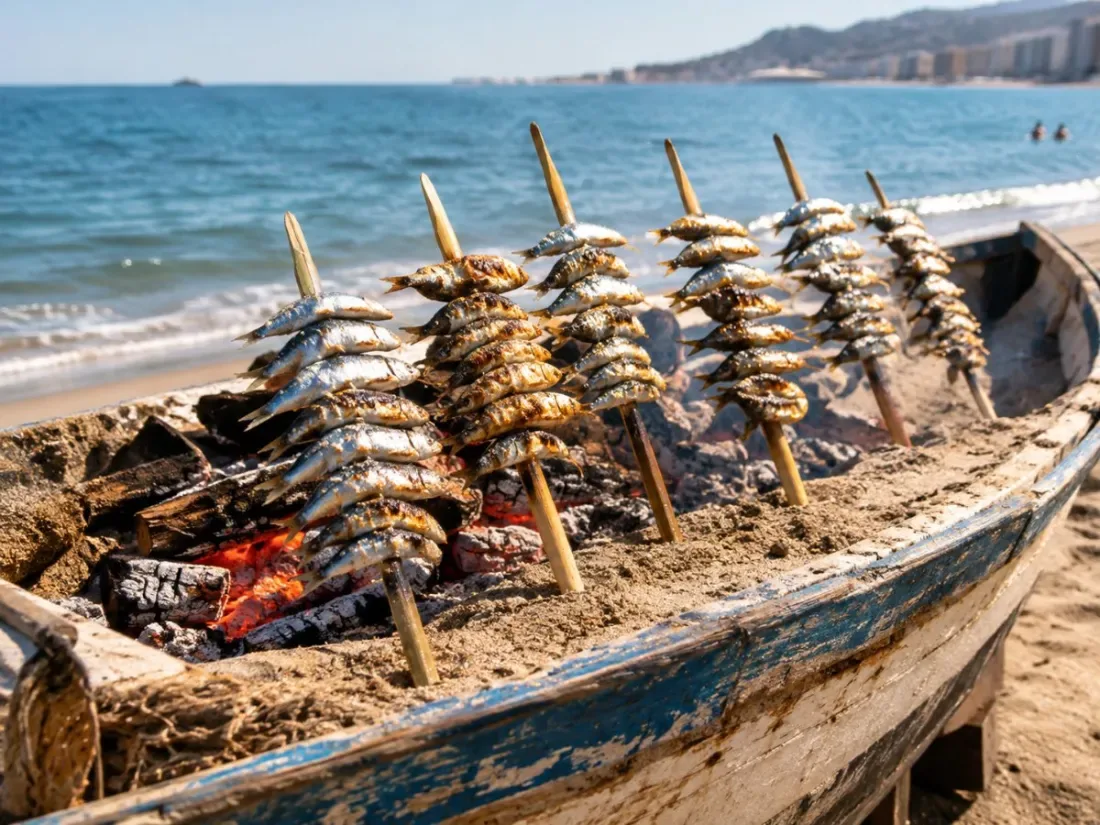
- Espetos: sardines threaded on a cane and grilled over olive-wood embers on the beach.
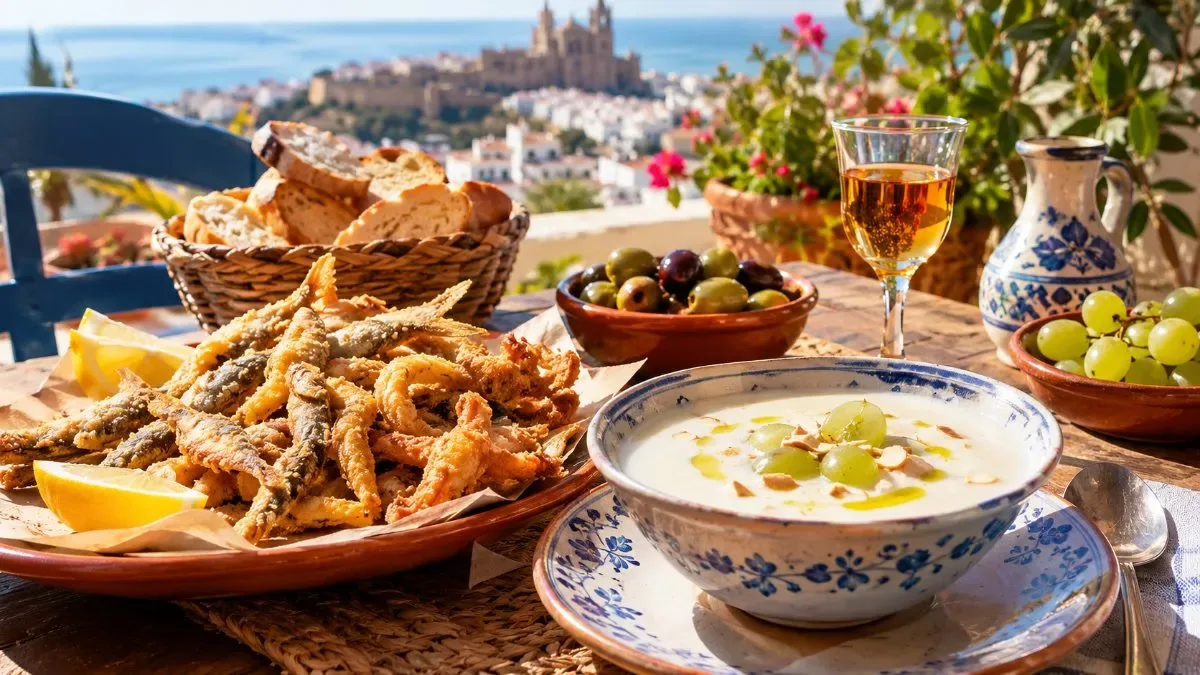
- Fritura malagueña: the fish of the day, often anchovies, squid and tiny puntillitas, dusted in flour and fried to order in olive oil.
- Ajoblanco: a cold soup older than the tomato in Spain, made with almonds, garlic, bread, olive oil and sherry vinegar, served with Moscatel grapes.
- Porra antequerana: a cold tomato and bread purée from Antequera, thicker than gazpacho, topped with egg, ham and tuna.
- Gazpachuelo: a warm fisherman's soup thickened with an emulsion of olive oil and egg, with potato and white fish.
- Ensalada malagueña: boiled potato, salt cod, orange and onion.
- Plato de los Montes: the mountain plate of pork loin, chorizo, black pudding, fried egg, green peppers and potatoes. Share it.
Taste half of this list in one evening: market stalls, seven tastings and four drinks, in a group of no more than 13.
Book thisWhat are espetos, and where do you eat them?
Sardines skewered on a cane and grilled over olive-wood embers in a sand-filled boat on the beach. Eat them at a beach bar in Pedregalejo or El Palo, ideally in summer.
Two local sayings set the season. Sardines are best in the meses sin R, the months without an R in Spanish, May to August. A stricter rule says de Virgen a Virgen, between two feast days: 16 July and 8 September. Local groups are promoting the espeto for UNESCO intangible heritage status, which has not been granted, according to Escapada Rural.
Pedregalejo, an old fishing quarter east of the centre, has a seafront lined with beach bars, the chiringuitos, and the city bus gets you there. Eat espetos with your hands, with a cold beer, and order a second round while the first is still on the plate.
What is a typical breakfast in Malaga?
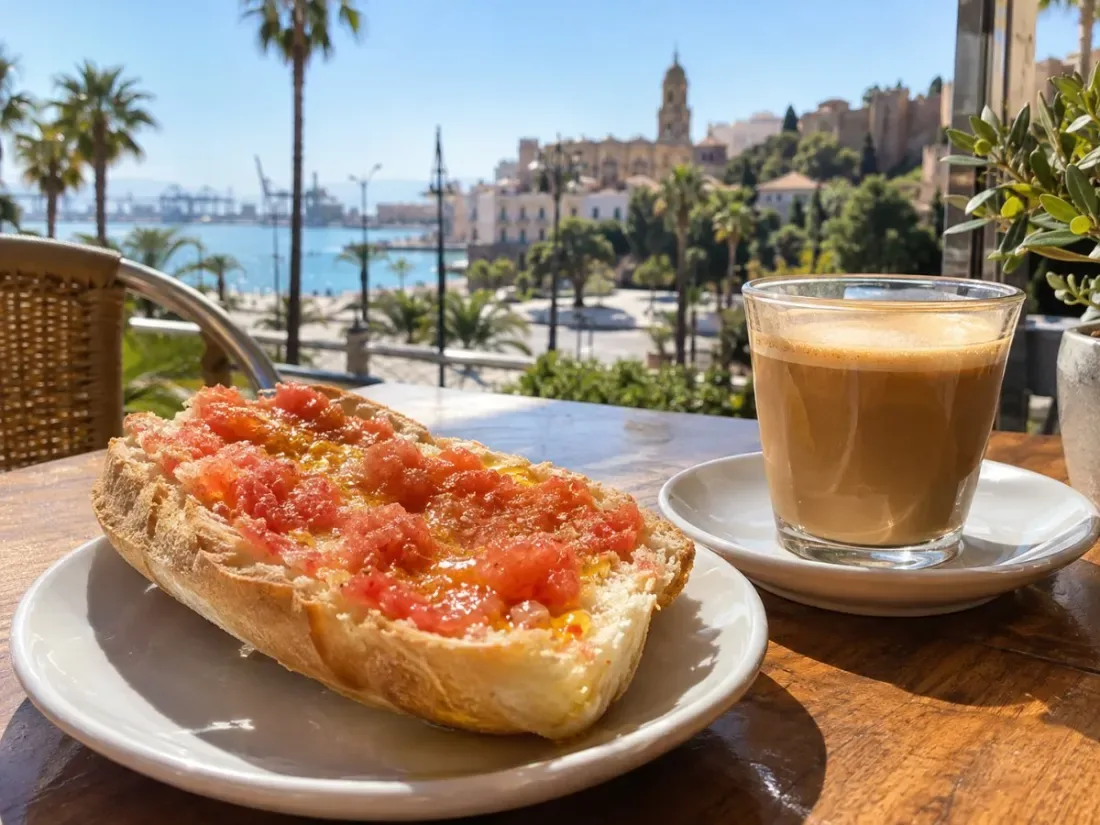
A toasted pitufo, a small soft roll, with crushed tomato and olive oil, or with ham and cheese, and a coffee with milk. Locals also spread it with manteca colorá, red lard with paprika.
A pitufo is a roll of about ten centimetres, split, toasted and filled, according to Directo al Paladar. The common fillings are tomato with Iberian ham, manteca colorá, ham and cheese (the pitufo mixto), potato omelette or shredded pork. Bars also toast the larger, softer mollete.
If the board behind the bar means nothing to you, point at what the person next to you is eating. Nobody minds.
How do you order coffee in Málaga?
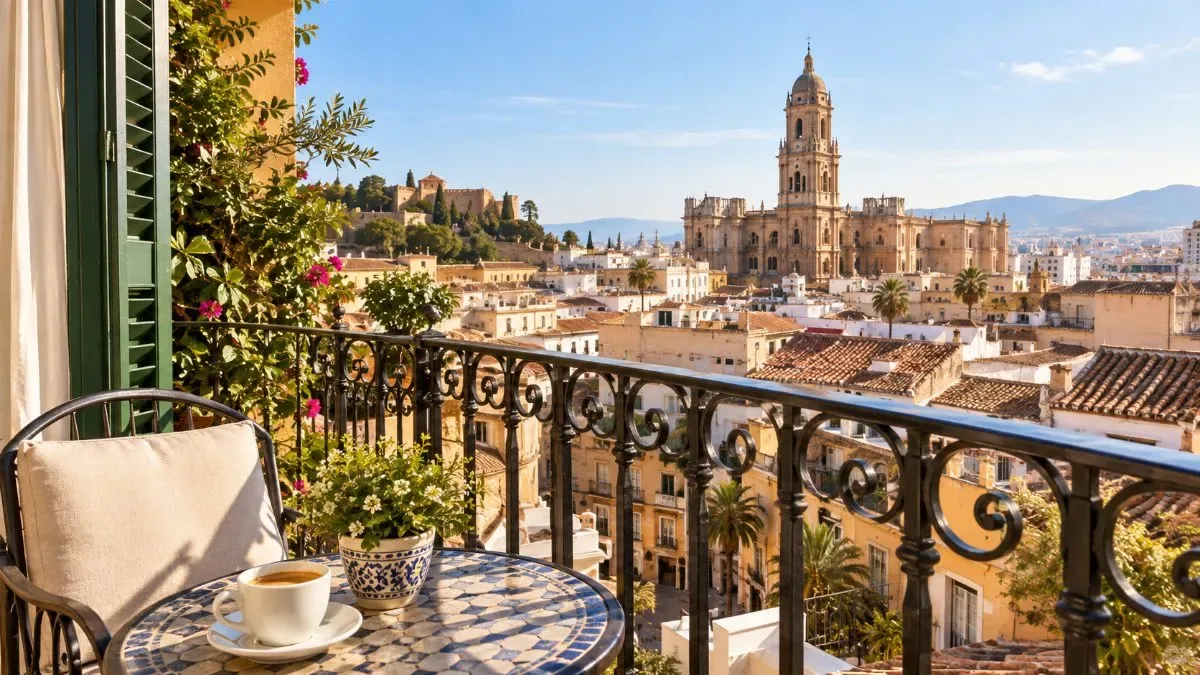
By the ratio of coffee to milk: a solo is black, a mitad is half and half, a sombra is mostly milk, and a nube is milk with a splash of coffee.
The names were invented by Pepe Prado, the owner of Café Central on Plaza de la Constitución, to stretch scarce coffee after the Civil War. Café Central closed for good in January 2022, and its famous tile panel listing the names moved to a school. The names live on in every bar in the city.
| Ask for | What you get |
|---|---|
| Solo | Black coffee, no milk |
| Largo | Strong, mostly coffee |
| Mitad | Half coffee, half milk |
| Sombra | About one part coffee to two parts milk |
| Nube | Mostly milk with a splash of coffee |
| No me lo ponga | A local joke: "don't give me anything" |
Names and ratios follow Spanish Sabores. Bars vary a little, and nobody will mind if you get it slightly wrong.
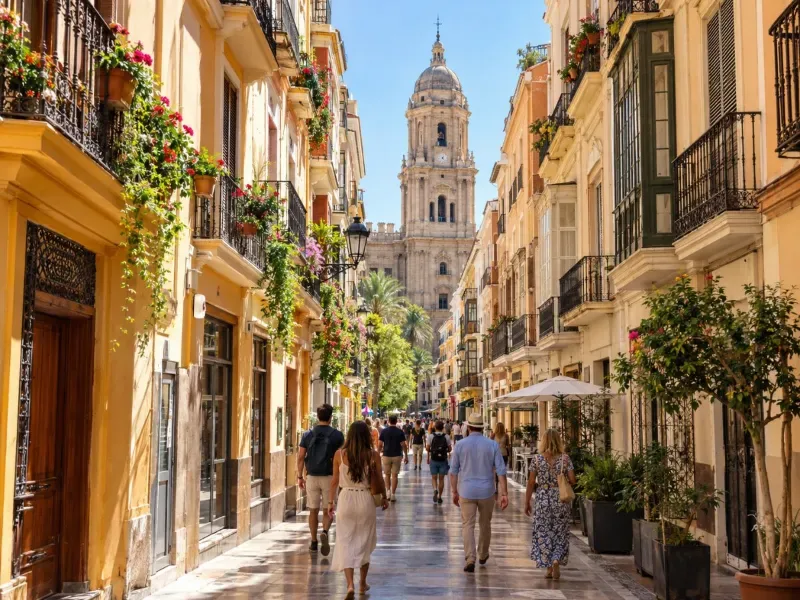
Get your bearings on day one: two hours through the old town with a local guide, with local sweets on the way.
Book thisWhat dessert is Malaga known for?
The torta loca, a pastry with orange icing, is the city's own. Bienmesabe belongs to Antequera, and the Axarquía villages bake their own sweets.
There is no single official Málaga dessert. Gastronosfera lists five sweets from the province:
- Torta loca: the city's pastry, topped with orange icing. Look for it in old-town bakeries.
- Bienmesabe: from Antequera, made by the Clarisa nuns, reportedly since 1635.
- Pestiños: fried dough sweets with honey or sugar.
- Tortas de Algarrobo: from the Axarquía village of Algarrobo.
- Baticate: an avocado and milk drink-dessert, also from the Axarquía.
What is Málaga wine?
Mostly sweet: DO Málaga wines are made from Pedro Ximénez and Moscatel grapes and aged in categories from Málaga to Trasañejo. DO Sierras de Málaga covers the dry wines.
The ageing categories run Málaga, Noble, Añejo and Trasañejo, oldest last. About 90% of the Moscatel crop in the Axarquía is sun-dried into raisins under a separate label, Pasas de Málaga, according to andalucia.com.
Order a glass of sweet wine with dessert, or with cheese at the end of a tapas round. A bottle of Málaga wine and a box of raisins make a better souvenir than anything on Calle Larios.
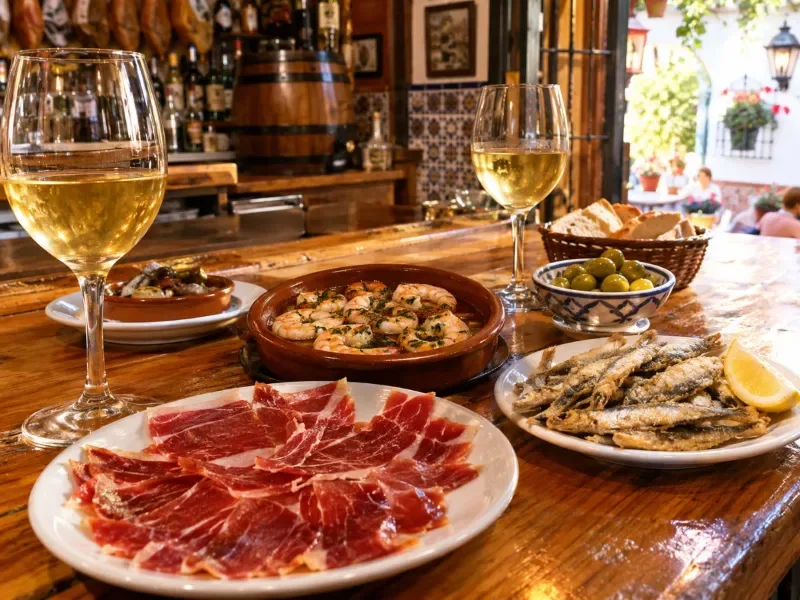
Seven tastings and four drinks, from the Atarazanas market to the old-town bars, in a group of no more than 13.
Book this Tour detailsIs Atarazanas market worth visiting?
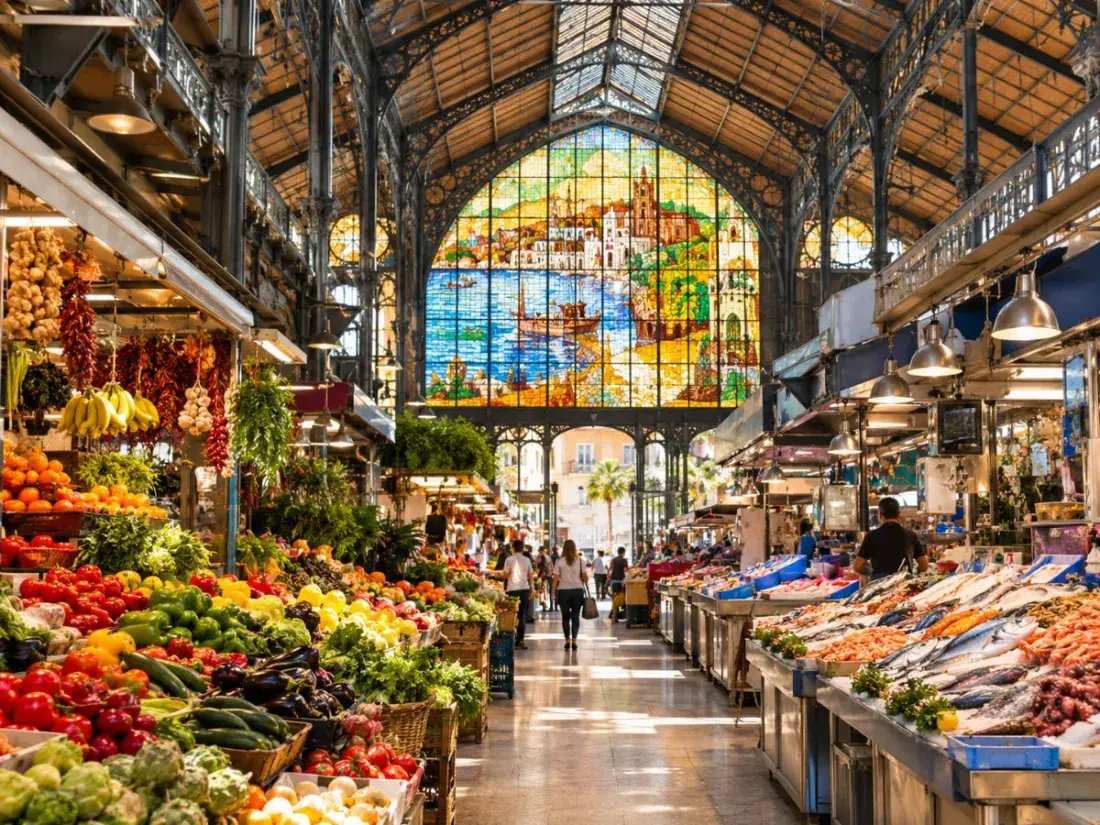
Yes, on a weekday or Saturday morning. Go early for the fish, look up at the stained-glass window, and eat fried fish standing at the bar.
The white marble horseshoe arch at the entrance is the last piece of the Nasrid shipyard that once stood here. When the shipyard was demolished in 1868, the arch was taken down stone by stone and rebuilt as the market's gate. The iron hall behind it was designed by Joaquín de Rucoba and opened in 1879, according to andalucia.com.
The market opens in the morning from Monday to Saturday and is closed on Sundays. Fish is best before 11:00, and the stained-glass window at the back dates from 1973, according to Do Eat Better. The front stalls aim at visitors; walk deeper in for seasonal fruit such as Axarquía mangoes.
Is a tapas tour in Málaga worth it?
On your first night, yes: a guide gets you past the tourist menus around Calle Larios quickly. If you speak some Spanish and like to wander, you can do without.
The tapas tasting tour lists a visit to Atarazanas market, up to seven tapas at four stops in the old town, four drinks and an Iberian ham tasting, in English, for groups of no more than 13. The meeting point is Calle Marqués de Larios 18, at the entrance of the Women'secret store, not the Victoria's Secret at the other end of the street. Give dietary needs when you book.
On your own, order a media ración to share and eat late: the kitchens and the bars fill up after dark. Spend the second evening in Pedregalejo with espetos, and the third wherever the first two taught you to go.
Frequently asked questions
What is the most typical dish in Málaga?
Espetos, sardines grilled on a cane over olive-wood embers on the beach. In the old town, a plate of fried fish comes a close second.
When is the best season for espetos?
Summer. Locals say the months without an R in Spanish, May to August, or stricter still, from 16 July to 8 September.
Can you still visit Café Central?
No. Café Central, where the coffee names were invented, closed for good in January 2022. Any bar in the city will serve you a mitad or a nube.
What food can you take home from Málaga?
Sweet Málaga wine, Pasas de Málaga raisins and olive oil travel well. El Corte Inglés has a supermarket with food gifts.
Ready to book
Choose your tour
Free cancellation up to 24 hours before on every option here. Check the live listing for your date.
Tapas Tasting Tour with Atarazanas Market
Market stalls, seven tastings and four drinks